 Book a 15-minute call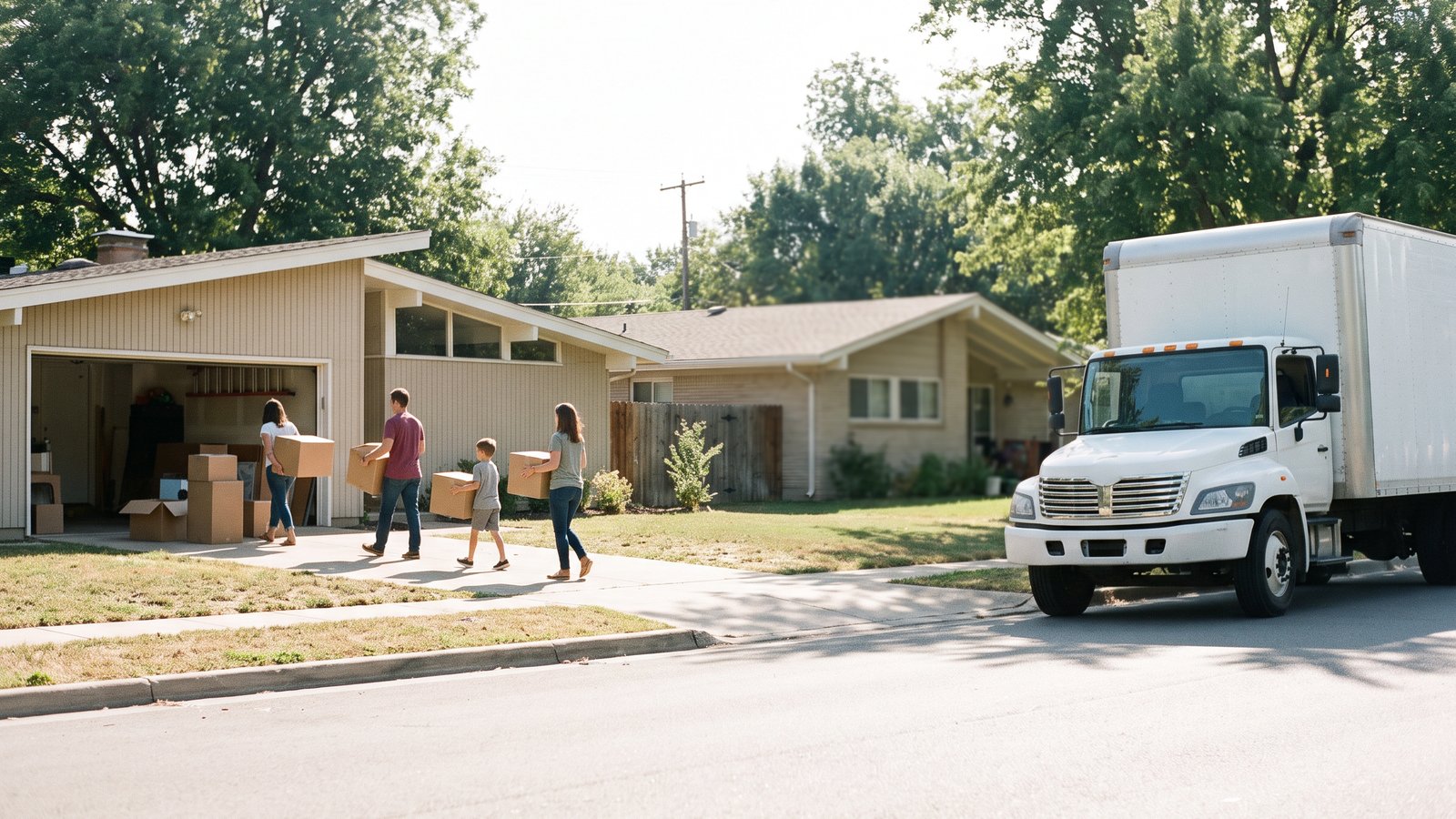
Quick answer
There is no universally right order. Selling first gives you certainty on your budget and a firm, cleaner offer on your next home, but risks a gap if you don't find that home in time. Buying first means one move instead of two, but usually means carrying both properties for a period, often bridged with a short-term loan.
There's no universally right order to sell and buy in. Selling first protects you financially, buying first protects your timeline, and most of the stress in this decision comes from not knowing which one you actually value more for your specific situation.
Why this decision feels so hard
Selling and buying at the same time means juggling two closing dates that don't naturally line up, in a market that can shift under you in either direction while you're mid-move. Sell first and you might not find a home in time, and end up renting or staying with family in between. Buy first and you're carrying two mortgages, or a mortgage plus a bridge loan, until your current home actually closes. Neither order removes the risk entirely. It just changes what kind of risk you're taking on.
Selling first: the trade-offs
Selling first means you know exactly how much you have to work with before you make an offer on anything. Your financing is simple, no mortgage on two properties at once, and your offer on your next home can be firm instead of conditional, which matters in a competitive market where sellers are comparing multiple offers.
The trade-off is timing. If you don't find your next home before your closing date, you're moving into a rental, a family member's place, or short-term housing while you keep looking. Some sellers negotiate a rent-back or an extended closing with their buyer to buy themselves extra time, but that depends on the buyer agreeing to it, and not every buyer will.
Buying first: the trade-offs
Buying first means you move once, from your current home directly into the next one, rather than twice. You also get to take your time finding the right property instead of rushing to make an offer before your closing date arrives.
The trade-off is financial. Until your current home sells and closes, you may be carrying both properties at once. A bridge loan, a short-term loan that covers the equity in your current home until it closes, is the common way lenders bridge that gap, but it comes with its own interest costs and isn't offered by every lender on every file. You're also carrying the current market's uncertainty on two properties instead of one, since your existing home still has to sell for what you expect it to.
Ways to bridge the gap
A conditional offer, one that makes your purchase dependent on your current home selling by a set date, protects you financially but is a harder offer for a seller to accept in a competitive market, since they're taking on your timeline as a risk of their own. In a slower market, sellers are often more open to it than in a fast one.
Bridge financing is the other common tool, and it exists specifically for this situation: a short-term loan secured against the equity in your current home, repaid the moment that sale closes. It's worth asking your mortgage professional about early, before you're actively bidding on anything, since not every lender offers it and the amount available depends on your specific numbers.
A longer closing or a rent-back on your current sale is a third option, giving you extra weeks after your home sells to actually move, which can take some of the time pressure off finding the next place.
Frequently asked questions
Should I sell my house before I buy my next one?
It depends on what you value more, financial certainty or timeline certainty. Selling first means you know your budget and avoid carrying two properties, but you risk a gap before you find your next home. Buying first means one move instead of two, but usually means carrying both properties for a period.
What is a bridge loan and how does it work?
A bridge loan is a short-term loan secured against the equity in your current home, used to cover the gap between buying your next home and your current one actually closing. It's repaid in full the moment your current home's sale closes, and not every lender offers it, so it's worth asking about early.
Can I make my purchase offer conditional on selling my current home?
Yes, this is a standard type of clause in Ontario purchase agreements. It protects you financially, but it makes your offer less attractive to a seller who's comparing it against firm offers, so it tends to work better in a slower market than a competitive one.
What happens if I sell first and can't find a new home in time?
You'd typically need temporary housing, a rental, a stay with family, or an extended closing negotiated with your buyer, until you find the right next home. Some sellers build in a longer closing date specifically to give themselves more time to find their next place before they have to move.
Bottom line
There isn't a single right order to do this in. The right choice depends on how much financial risk you're comfortable carrying against how much timeline risk you're comfortable carrying, and that's different for every household. If you want to talk through what actually makes sense for your numbers and your timeline, get in touch or book a call and we can work through it together.