 Book a 15-minute call
Quick answer
A house that isn't selling usually comes down to price, presentation, or exposure, and often more than one at once. Check what similar homes near you have actually sold for, look honestly at your photos and how the home shows in person, and pay attention to your actual showing activity rather than just the calendar.
A house that isn't selling almost never has one single cause. It's usually two or three smaller things stacking on top of each other: a price that's a bit optimistic, photos that don't do the space justice, or a showing schedule that makes it harder than it needs to be for agents to book a visit. The fix starts with figuring out which of those is actually happening in your case.
Price is almost always the first thing to check
Price does more work than any other part of a listing. A home priced close to what similar homes have actually sold for gets steady traffic in the first two weeks, which is when a listing gets the most attention from both buyers and other agents. A home priced above that range still shows up in searches, but buyers compare it to the better priced homes nearby and move on.
In Caledon, the average home sat 36 days on the market in July 2026, up 8 days from the year before. In Halton Hills it was 29 days, also up. Those numbers move around by city and by property type, so the number that actually matters is what similar homes near you have taken to sell, not a GTA-wide average.
What buyers notice that a seller doesn't
After living in a home for years, it's easy to stop seeing it the way a stranger would on a first showing. Clutter on counters, personal photos on every wall, a smell from a pet or a kitchen, dim lighting, an unmade bed. None of that shows up as a defect in the listing description, but it shapes how long a buyer lingers and what they remember afterward.
Small, inexpensive fixes tend to matter more than big ones at this stage. A fresh coat of paint in a scuffed hallway, decluttered counters, and good lighting in every room usually move the needle more than a renovation would, and they take days instead of months.
How exposure and marketing affect showings
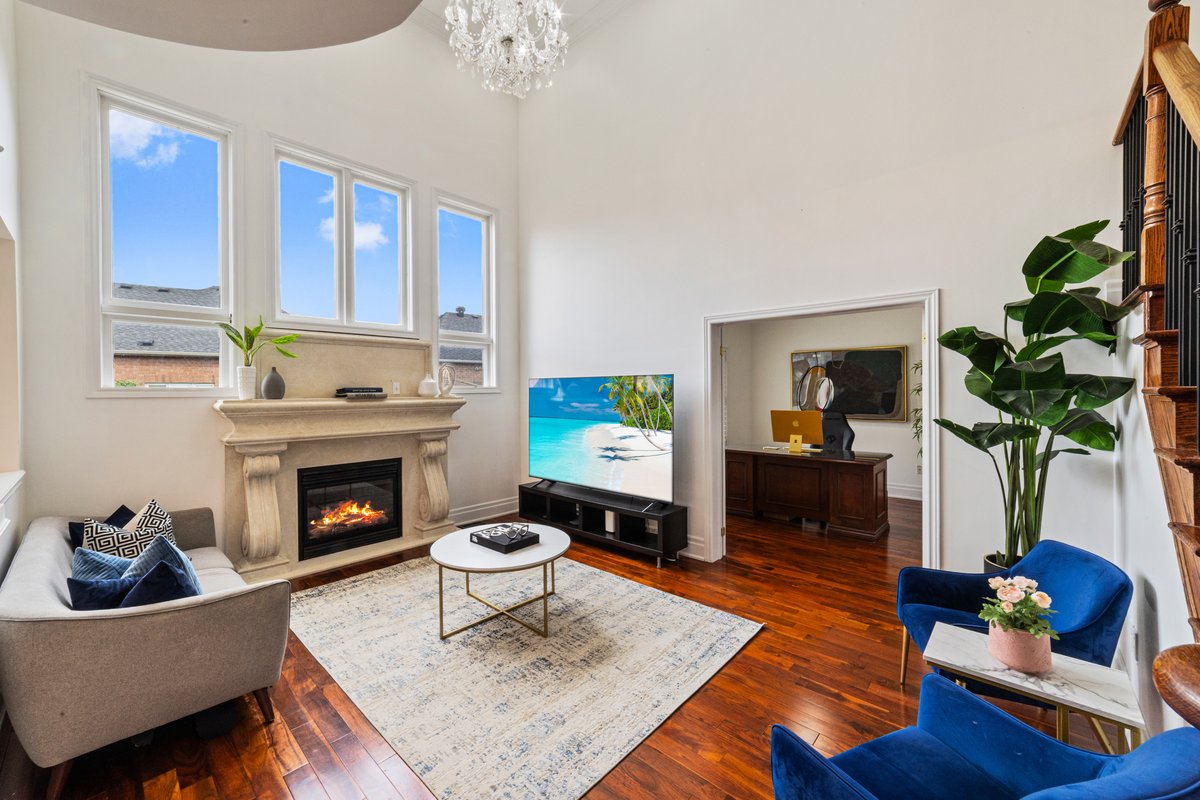
A listing only sells to buyers who see it, and how it's marketed decides how many buyers that actually is. Professional photos, a floor plan, and a listing description that leads with the home's real strengths all affect how a listing performs in the first week, which is usually when the most serious buyers are watching. A listing with a handful of dim phone photos gets scrolled past by buyers who never book a showing, even if the home itself would have been a good fit for them.
Access matters too. A home that's hard to show, tight windows, short notice required, or a tenant who has to be coordinated with, gets fewer showings than one an agent can book same day. Fewer showings means fewer offers, even in a market where similar homes are selling.
When to change something versus wait it out
The signal that matters most is showing activity, not days on the market by itself. A listing that's had a dozen showings and no offers is telling you something different than one that's barely had any traffic at all. Lots of showings with no offers usually points to price or condition. Almost no showings usually points to exposure, meaning buyers aren't seeing it in the first place.
Taking a listing down and relisting it can feel like a reset, but buyers and agents who are paying attention can usually still see the history either way, so it rarely fixes the underlying issue on its own. A price adjustment, new photos, or addressing the specific feedback from the showings you did get tends to work better than starting over.
Frequently asked questions
Why isn't my house selling?
Usually it's a combination of price, presentation, and exposure rather than one single problem. Start with what similar homes near you have actually sold for recently, then look honestly at your photos and how the home shows in person.
How long is too long for a house to sit on the market?
It depends on your specific area and price point, since average days on market varies from city to city and moves month to month. If your home has been listed roughly twice as long as similar recent sales in your neighbourhood, it's worth reviewing price, photos, and showing feedback.
Should I lower my price or wait it out?
Look at your showing activity first. Lots of showings with no offers usually means price or condition. Very few showings usually means buyers aren't finding the listing in the first place, which points to exposure and marketing rather than price.
Does taking my listing down and relisting it help?
Not usually on its own. Serious buyers and their agents can typically still see a property's history, so relisting without changing anything, price, photos, or marketing, tends to just delay the same result.
Bottom line
A house that sits on the market is giving you information, even if it doesn't feel that way. Showing activity, feedback from the agents who've walked through it, and how it compares to what's actually selling nearby will tell you whether the fix is price, presentation, or exposure. If you want an honest read on which one it is for your home, get in touch or book a call and we can go through it together.